Aluminium Enclosures

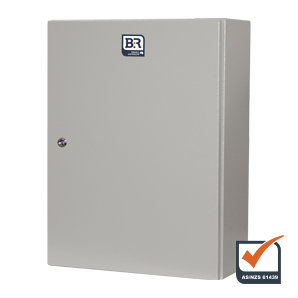
IP66 Multiple Application Aluminium Enclosure

Aluminium enclosures can be desirable when the enclosure system may need to be manually moved or when the environment conditions are too severe for a steel enclosure.

The light weight of aluminium enclosures (roughly half that of a steel enclosure even with when thicker material is used) ensures that in remote locations, they are more easily taken off transport and installed in place. Aluminium is also fairly resistant to chloride attack (sitting somewhere between steel and 316 stainless steel) so can often be used when corrosion is not expected to be severe, but salt water is present.

Note that a common reason why people request aluminium is that they expect the enclosure to be cooler than a steel or stainless construction. This may not the case in installations where the internal temperature is controlled by radiated heat from the sun. In these applications a steady state condition is reached where the temperature in the enclosure will be controlled more by the surface color and finish rather than the material thermal conductivity. The aluminium enclosure will change quicker to environmental variations due to the thermal conductivity, but this will not affect the final equilibrium temperature.

One way to think of this cooling effect is, if you totally submerge an aluminium and a steel spoon in boiling water, both will heat up to 100C. The aluminium will reach that temperature quicker, and cool down quicker once you take it out of the water, but while in equilibrium it will be exactly the same temperature as the steel spoon.

B&R manufactures a range of aluminium enclosures, concentrating on infrastructure applications in particular. These are: -

multiple application enclosures

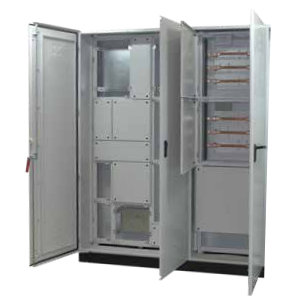
Monarch IP (aluminium)

Aluminium enclosure and switchboard building system for floor or wall mounting. Complete modular range of enclosures and accessories.

Data racks and cabinets

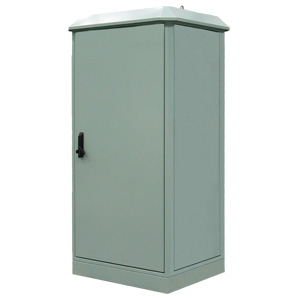
Field Enclosures

Designed to be used in a variety of applications including housing of ITS equipment, GPS receivers/transmitters, road monitoring/traffic management equipment and radio communications equipment.